
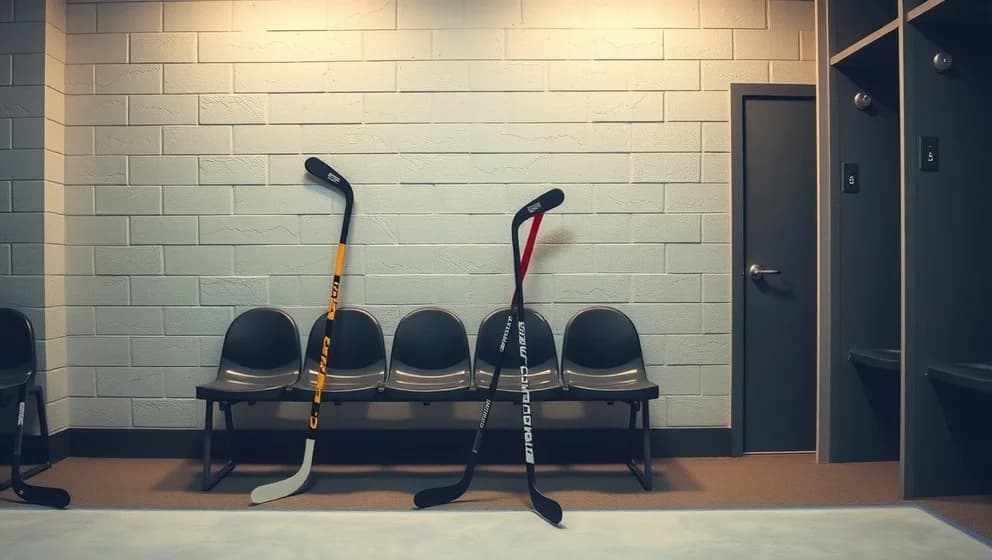
What is a healthy scratch in hockey

Every NHL game has the same roster challenge: 23 players dress for the season, but only 20 can play each night. That means coaches must leave three healthy players on the bench. When a fit player sits out by coach's choice, that's called a healthy scratch in hockey. Understanding scratches helps fans predict lineups and grasp team strategy beyond just injury reports.
Why coaches use healthy scratches
Coaches scratch healthy players for several smart reasons. Resting veteran players prevents wear and tear over a long season. A 35-year-old forward might sit out one game so he stays fresh for the playoffs. Scratches also manage team chemistry by rotating different line combinations (coaches are basically experimenting to find which guys click together).
Sometimes scratches send messages too. A coach might bench a player who played poorly last game to spark motivation. Other times, scratches prepare for trades by giving a player limited ice time before a deal happens.
What scratches mean for your favorite player
One healthy scratch doesn't mean bad news for a player's career. Young players might sit out one game during development. Veterans get occasional rest. But frequent scratches for an aging player could signal a reduced role or retirement approaching.
The key is context. Occasional scratches are normal roster management. Regular scratches deserve closer atention when reading hockey news about that player's status.
How to understand scratches as a hockey fan
Tracking healthy scratches helps you read team strategy like a coach. Fantasy hockey players watch scratch reports closely before games since benched players score no points. Scratches reveal which players coaches trust most and which lineups might change soon.
When you see a scratch report, ask yourself: Is the player resting? Did he underperform? Is chemistry changing? These questions help you understand decisions beyond injury updates.
Chemistry and development matter
Constant lineup changes from scratches disrupt on-ice connection. Players who spend time together develop chemistry that improves their play. Too many scratches break that rhythm. Young players need consistent ice time to develop skills, so coaches must balance being flexible with scratches while keeping lines together long enough to build trust. This balance determines whether a team performs well and whether young players actually improve.
Healthy scratches are a normal part of NHL strategy that every fan should understand. They show coaches managing rosters strategically rather than reacting to injuries. Pay attention to scratches in game reports, and you'll better understand your team's decisions and player situations.
This material is AI-assisted. See something that doesn't look right? Contact zoneonecomplex at [email protected].