
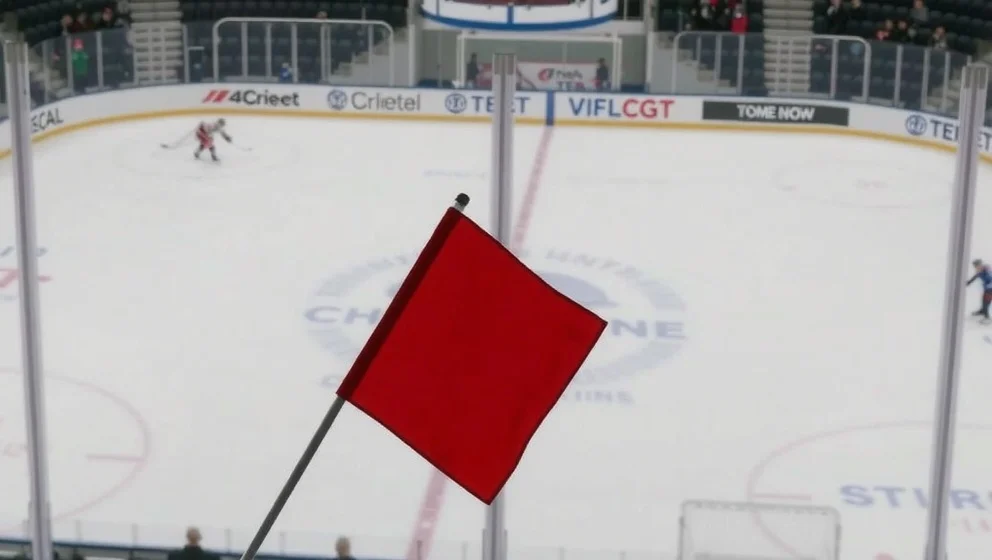
How many challenges do NHL teams get per game

You're watching an NHL game when the referee makes a call that looks completely wrong. The crowd erupts. The coach jumps off the bench. Within seconds, he signals for a challenge. The video review plays on the screen, and moments later, the call gets overturned. That's the power of coach's challenges in the NHL. Understanding how many challenges in NHL per game matters because it shapes strategy, affects game outcomes, and shows you what coaches really think about controversial calls.
How many challenges does each team get?
Each NHL team receives exactly one challenge per game. If that challenge succeeds, the coach earns a second one. If it fails, the team loses a timeout. This single challenge rule forces coaches to pick their moments carefully. A coach won't waste a challenge on a minor play when a bigger call might come later. During a close playoff game, coaches become way more strategic about when to use their one shot at overturning something.
The 2024-25 season numbers
Early data from the 2024-25 season shows aproximately 1.5 challenges per game on average. Coaches have succeeded in overturning calls about 71% of the time, which is pretty strong. Most challenges target offside calls and interference plays. These calls happen constantly in hockey, and they're often too close for referees to judge perfectly in real time. When coaches see borderline plays involving these violations they trust the replay will back them up.
What happens when a challenge fails?
A failed challenge costs a team a timeout. In tight games, losing a timeout can hurt really badly. Late in the third period, teams need timeouts to draw up plays or calm momentum shifts (and trust me, this matters). An unsuccessful challenge in the final minutes might mean a coach has no timeout left when he desperately needs one. Smart coaches weigh this risk carefully before challenging.
Why coaches challenge at specific moments
Coaches don't use challenges randomly. They think about game situations constantly. In blowout games, coaches rarely challenge because the outcome is already decided. In playoff games or close contests, challenges happen more often because every call matters. Coaches also consider the clock. A questionable call with five minutes left might get challenged. That same call with thirty seconds left might be ignored because the risk outweighs the reward. The best coaches read the momentum and understand when a successful challenge could shift everything.
Coach's challenges have become a crucial part of NHL strategy since 2015. Teams that use challenges wisely gain real advantages. Fans who understand the system appreciate the tactical chess match between coaches and officials. The next time you watch a game and see a coach signal for a challenge, remember he's making a calculated decision based on timing, game situation, and confidence in the replay booth.
This material is AI-assisted. See something that doesn't look right? Contact zoneonecomplex at [email protected].